Environment
Building a Centre of Excellence for Environmental Stewardship
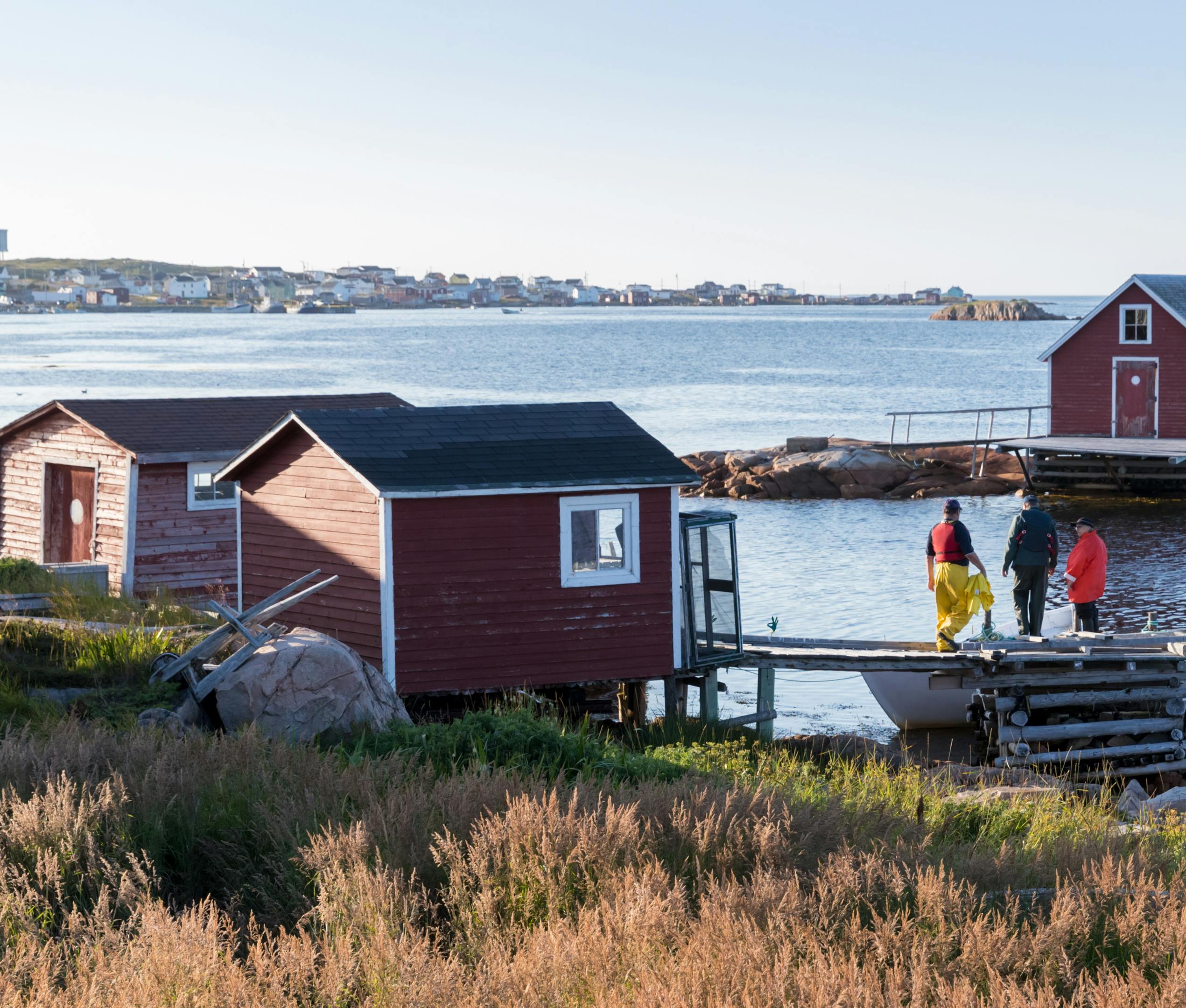
Photo Credit: Nipissing First Nation
For generations, Nipissing First Nation (NFN) has stewarded the lands and waters that make up the Lake Nipissing region. However, increasingly pressing environmental challenges – such as invasive species, algal blooms and the spread of chemical contaminants – threaten the health of local ecosystems. Without intervention, these challenges risk eroding both the ecological integrity and cultural heritage of the region.
In response, NFN, with support from The Hilary and Galen Weston Foundation, launched a Water Quality Monitoring and Response Program that has fundamentally reshaped environmental stewardship in the Lake Nipissing region. With funding from the Foundation, the program has empowered the community to take informed action against these threats. For example, real-time Algae Trackers now provide early warnings that help safeguard both ecosystem health and public safety, while the innovative Invasive Species Database and drone mapping of the Japanese Knotweed have enabled targeted management of this critical threat to local biodiversity. Further, partnerships with universities have brought new scientific expertise to the region, leading to improved protection of drinking water and more effective tracing of contaminants.
 Water quality data monitoring in Lake Nipissing.
Photo Credit: Nipissing First Nation
As a result of these efforts, the community is not only preserving its lands and waters but also strengthening the resilience of the Lake Nipissing ecosystem with the development of a new community department dedicated to environmental stewardship – the NFN Environment Department. Under the leadership of Curtis Avery, the Environment Department Manager and proud member of Nipissing First Nation, the Department has become a centre of excellence, educating and engaging both community members and regional stewardship groups through its diverse programming. This recognition has led to collaborations with government departments, academic institutions, and other First Nations communities in Canada and abroad.
“Support from The Hilary and Galen Weston Foundation has significantly strengthened NFN’s connection to our land and traditional territory while enhancing the resilience of the Lake Nipissing Ecosystem,” says Curtis.
The Foundation’s funding has also provided valuable insights into the overall health of the environment for all who call this region home.Curtis Avery
Looking ahead, the Nipissing First Nation envisions a future where Indigenous knowledge and cutting-edge science work hand in hand to preserve the land and waters. By advancing and sharing stewardship practices, the Nipissing First Nation is shaping healthy ecosystems that benefit living beings — plants, wildlife, and humans — now and for generations to come.
More Impact Stories